
7 Cash Flow Forecasting Mistakes Businesses Make
Cash flow forecasts are meant to provide clarity—but small modeling mistakes can lead to misleading conclusions. Here are seven common forecasting pitfalls businesses make and how to avoid them.
3/10/20263 min read
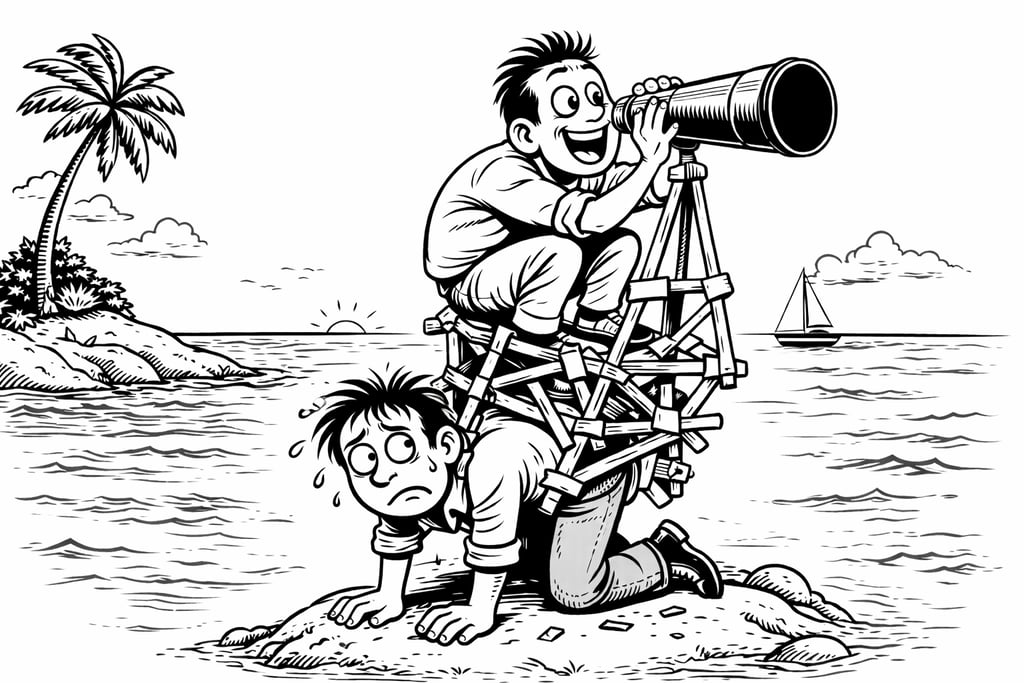
7 Common Mistakes Businesses Make When Forecasting Cash Flows
One of the most common questions I ask business owners is simple:
“Do you have a cash flow forecast?”
Most say yes.
But when we actually review the model together, it often turns out that the forecast isn’t telling the full story. In some cases, the forecast is overly optimistic. In others, it’s simply missing key components of how cash actually moves through the business.
A good cash flow forecast should give you a clear picture of runway, liquidity, and potential pressure points before they happen.
Here are seven of the most common mistakes I see businesses make when building cash flow forecasts.
1. Double Counting Cash Receipts
This is one of the most common modeling mistakes.
Many businesses start their forecast with existing accounts receivable and then layer on projected sales collections. If this isn’t handled carefully, it can lead to double counting the same expected cash receipts.
For example:
Existing invoices sitting in Accounts Receivable
New projected revenue collections for the same customers
If both are included without reconciling them properly, the model can significantly overstate expected cash inflows.
A well-structured model clearly separates:
Collections from existing receivables
Collections from future sales
2. Missing Recurring Expenses That Aren’t in Accounts Payable
Another common issue occurs when companies rely too heavily on their Accounts Payable aging to forecast cash disbursements.
The problem is that many recurring expenses never appear in Accounts Payable, including:
Payroll
Payroll taxes
Credit card payments
Software subscriptions
Insurance
Loan payments
If your forecast only pulls from Accounts Payable, it can create a misleading view of cash obligations.
A reliable model should capture all recurring expenses, not just vendor invoices.
3. Forgetting Debt Obligations
Debt payments are often overlooked in forecasts—especially when companies are focused on operating expenses.
But debt obligations can represent significant monthly cash commitments, including:
Principal payments
Interest payments
Equipment financing
Lines of credit
SBA loans
Missing these payments in a forecast can lead to a false sense of available cash.
Debt schedules should always be integrated into the forecast so that required payments are automatically reflected.
4. Not Validating the Model Against Historical Performance
A cash flow model should never exist in isolation.
One of the simplest ways to test whether a model is reasonable is to compare the forecasted outputs to historical cash performance.
Questions worth asking:
Do projected margins align with historical margins?
Do projected operating expenses align with historical spending patterns?
Are collection timelines consistent with actual customer payment behavior?
If the forecast produces results that are drastically different from historical trends, it’s usually a signal that something in the model needs to be adjusted.
5. Ignoring Planned Capital Expenditures
Many businesses build forecasts based only on operating activity.
However, large planned capital expenditures can significantly impact liquidity.
Examples include:
Equipment purchases
Technology upgrades
Facility improvements
Expansion investments
If these aren’t incorporated into the model, the forecast can make the company appear more liquid than it actually is.
Even if the timing is uncertain, it’s important to build assumptions into the model so leadership can see the potential impact.
6. Not Accounting for Vendor Payment Arrangements
In real life, vendor relationships often influence the timing of cash payments.
Some businesses operate with:
Extended payment terms
Payment plans on past due balances
Informal agreements with key suppliers
If a forecast assumes all payables are paid strictly according to standard terms, it may not accurately reflect how cash actually flows through the business.
Understanding real payment behavior—not just contractual terms—is critical when building a practical forecast.
7. Not Projecting Far Enough Into the Future
Short-term forecasts can be useful, but they often don’t provide enough visibility for strategic decisions.
A forecast that only looks 30 days ahead may miss upcoming liquidity issues.
In most cases, it’s helpful to model:
At least 3–6 months forward
Often 12 months or more for strategic planning
Longer forecasts help leadership answer important questions like:
When might cash pressure appear?
How much runway does the company really have?
When should financing or operational changes be considered?
Final Thoughts
A cash flow forecast shouldn’t just be a spreadsheet exercise. It should serve as a decision-making tool that helps leadership anticipate challenges before they appear.
When built correctly, a good forecast can provide clarity around:
Cash runway
Working capital needs
Timing of major expenditures
Potential liquidity risks
If you're trying to get a clearer view of your company’s cash position and runway, feel free to connect or reach out.
Contact
Reach out anytime for a personal consultation
Located: Middle Tennessee
© 2025. All rights reserved.


Email: danielbeckcpa@gmail.com